

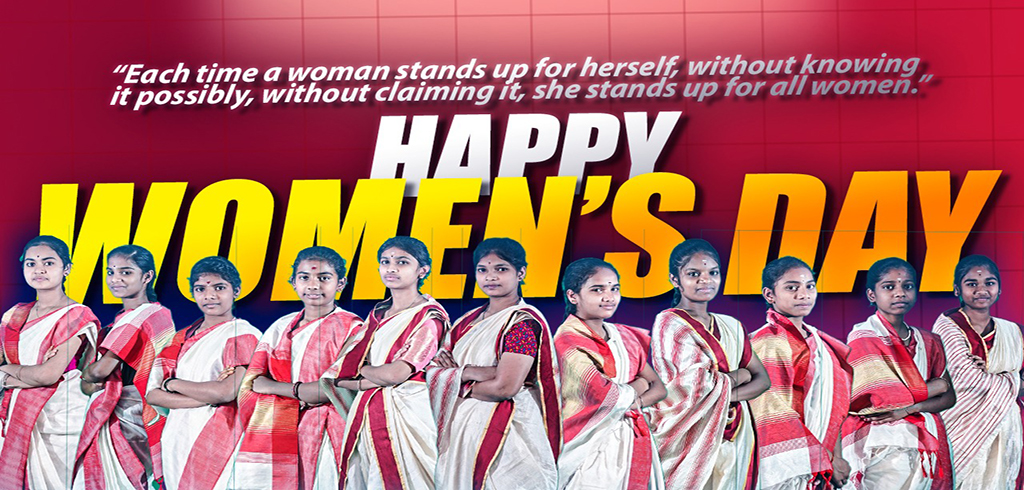
“A strong woman builds a strong family, and a strong family builds a strong nation.”
This powerful idea perfectly captures the importance of women in shaping not just homes, but entire societies.
Every year on International Women’s Day (March 8), we celebrate the achievements, strength, and resilience of women across the world. But beyond celebration, it is also a time to reflect on the importance of women empowerment, gender equality, and equal opportunities.
Women are the foundation of families, the backbone of society, and the driving force behind national progress.
Respect for Women in Indian Culture
India has a deep-rooted tradition of honoring women. In Indian philosophy, women are regarded as Shakti, the divine energy that sustains life.
A famous Sanskrit verse says:
“Yatra Naryastu Pujyante, Ramante Tatra Devata.”
(Where women are respected, there the gods reside.)
This reflects that respecting women is both a cultural value and a spiritual principle.
Even traditional titles like Srimathi and Sri symbolize dignity and respect, showing how Indian culture recognizes women as pillars of family and society.
Women: The Foundation of Society
Women play multiple roles that shape the future:
- Mothers – the first teachers of values and culture
- Educators – guiding knowledge and learning
- Leaders – driving innovation and progress
A woman instills essential life values such as:
- Compassion
- Discipline
- Integrity
- Courage
Why Women Empowerment Matters
When women are empowered:
- Families become stronger
- Communities become more stable
- Nations become more prosperous
Empowering women is key to sustainable development.
Women and Education in Ancient India
Contrary to common belief, women in ancient India were highly educated and respected scholars.
They studied sacred texts like the Vedas, Upanishads, and Puranas, and actively participated in intellectual discussions.
Notable Women Scholars
- Gargi Vachaknavi – A philosopher known for her debates on the universe
- Maitreyi – A thinker who explored deep spiritual truths
These examples prove that women have always been powerful contributors to knowledge and wisdom.
Influential Women in Indian Epics
Strength in the Ramayana
- Sita – A symbol of patience, dignity, and inner strength
- Kaikeyi – A key figure whose decisions changed the course of history
Courage in the Mahabharata
- Draupadi – A voice of justice and dignity
- Kunti – A symbol of resilience and wisdom
These epics highlight that women are powerful decision-makers and influencers of society.
Women in the Modern World
Today, women are excelling in every field:
- Science and Technology
- Healthcare and Medicine
- Education and Research
- Business and Entrepreneurship
- Arts and Sports
Women are now leaders, innovators, and changemakers shaping the future.
However, there is still a need to focus on:
- Equal opportunities
- Safety and security
- Access to education
- Gender equality
Sai Seva Sangh: Empowering Future Women Leaders
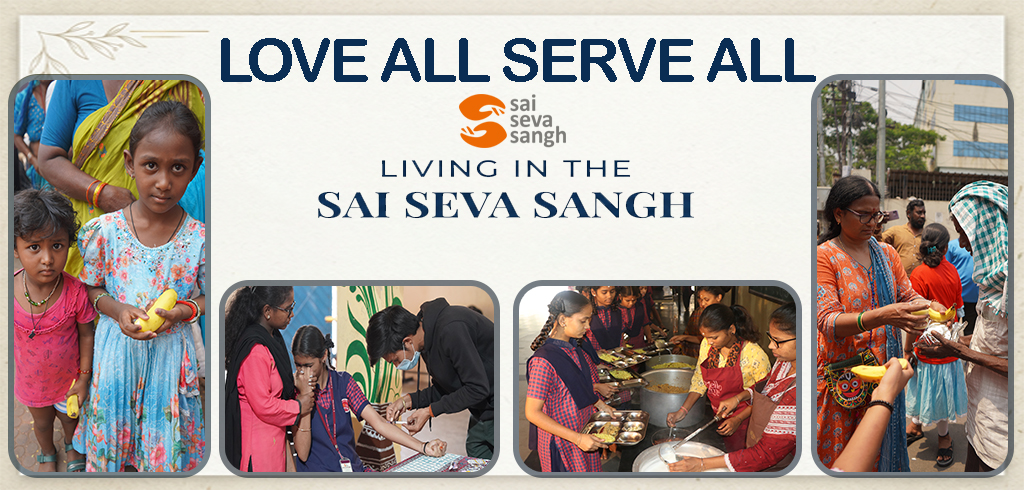
Real change begins at the community level. Sai Seva Sangh is dedicated to empowering young girls and shaping future leaders.
Key Initiatives
- Promoting Education
Encouraging girls to pursue learning and personal growth. - Building Confidence
Developing leadership and communication skills. - Teaching Values
Focusing on discipline, compassion, and respect. - Encouraging Social Responsibility
Involving girls in community service and teamwork.
Through these efforts, Sai Seva Sangh is creating a generation of confident, educated, and compassionate women.
Conclusion
Women are the strength of families, the guardians of culture, and the builders of nations.
From ancient scholars to modern leaders, women have always demonstrated resilience, wisdom, and leadership.
When women rise:
- Families flourish
- Societies prosper
- Nations grow stronger
Final Thought
Empowering women is not just equality—it is the foundation of a better future.
Let us celebrate, respect, and empower women—not just on Women’s Day, but every day.


Leave A Comment