
Music is one of the rare gifts that humanity shares across cultures, histories, geographies, and generations. It connects people who don’t speak the same language, who have lived different lives, who carry different joys and struggles. This unspoken ability to touch hearts makes music the most powerful universal language ever known. It heals, it inspires, it uplifts, and it unites.
Across the world, from bustling cities to remote rural villages, music represents hope. For a child learning her first rhythm, for a young girl finding confidence in her voice, for an underprivileged child discovering purpose through creativity music becomes a bridge between what is and what can be.
But the magic of music becomes even more meaningful when it becomes a pathway to empowerment, especially for children who lack opportunities, particularly underprivileged girls, orphan children, and those who face social or economic hardship. In India, several organizations work tirelessly to ensure these children receive not just education, but a holistic, value-based learning experience a foundation for a brighter future. One such impactful charitable organization is Sai Seva Sangh, a well-known non-profit organization for girls in Hyderabad.
This article explores the magic of music, its power as a universal language, and how music-based and holistic education initiatives combined with skill development, free residential schooling, and empowerment programs are transforming the lives of girls across India.
The Universal Language of Music
Music speaks without needing words. A melody can comfort us, energize us, or make us feel understood. This emotional universality is why music is often described as “the heart’s native tongue.” Whether it’s the lullaby of a mother, the devotional tunes in a temple, or the energetic beats played during celebrations music shapes human experiences.
Why is music considered universal?
- It creates emotion instantly:A song can make you feel peace, nostalgia, happiness, or excitement even if you don’t understand the lyrics.
- It breaks barriers of culture and language:Classical music from India can touch someone in Europe; African rhythms can inspire dancers in Asia.
- It reflects human expression:Every emotion has a rhythm, every feeling has a beat.
- It unites people:Communities sing together in joy, prayer, protest, celebration, and healing.
This same magic becomes even more powerful when introduced to children especially those from vulnerable or underprivileged backgrounds.
The Science Behind Music’s Universality
Researchers have found that the human brain responds to music in remarkable ways. Regardless of culture, the brain reacts similarly to rhythm, melody, and harmony. This shared neurological response explains why a lullaby sounds soothing everywhere in the world or why fast beats feel energizing in any country.
Music activates regions of the brain linked to:
- Emotion
- Memory
- Creativity
- Motivation
- Connection
This is why music can instantly transport us back to childhood memories or make strangers bond during concerts and gatherings.
Music as a Tool for Emotional and Social Growth
Young minds are deeply influenced by what they hear, learn, and feel. Music nurtures creativity, emotional expression, discipline, and confidence. For underprivileged children, orphan girls, and those lacking support systems, music often becomes a soothing escape a safe space to express themselves.
Music builds confidence
A shy girl who cannot speak freely may sing boldly. A child who struggles academically may shine in rhythm or dance. Music allows children to discover hidden talents.
Music improves mental well-being
Studies show that music reduces stress, improves attention span, and helps children cope with anxiety or trauma a common challenge faced by children from difficult backgrounds.
Music inspires creativity and discipline
Learning rhythm or instruments teaches routine, patience, and practice skills that translate into life.
Music develops communication skills
Even without words, music teaches timing, teamwork, and expression crucial for children growing in a supportive school environment.
This impact deepens when combined with holistic education, value-based learning, skill training, and residential schooling elements strongly championed by organizations like Sai Seva Sangh, a respected charitable organization in Hyderabad.
The Magic of Music in Transforming Girls’ Lives
Many girls in India still lack access to education, safe shelter, or skill development opportunities. Poverty, social challenges, and gender discrimination often prevent them from realizing their talents or receiving even basic schooling.
This is where NGOs such as Sai Seva Sangh introduce a powerful change providing free residential education for girls, along with holistic and value-based education, skill development, and a nurturing environment.
Where Education Meets Empowerment
NGOs that provide free education for girls, especially girl child education free of cost, serve as life-changing platforms. The presence of music, art, dance, and cultural learning enriches the child’s emotional development, helping her grow with happiness and confidence.
At institutions like Sai Seva Sangh, children benefit from:
- Free residential facility for girls
- Education with skill development
- Holistic education for girls
- Free coaching for underprivileged girls
- Free health and nutrition support
- Free English communication and soft skills training
- Free extracurricular and cultural education for girls
Music becomes central to many of these programs, supporting emotional healing and nurturing self-esteem, especially among orphan girls.
The Connection Between Music and Empowerment
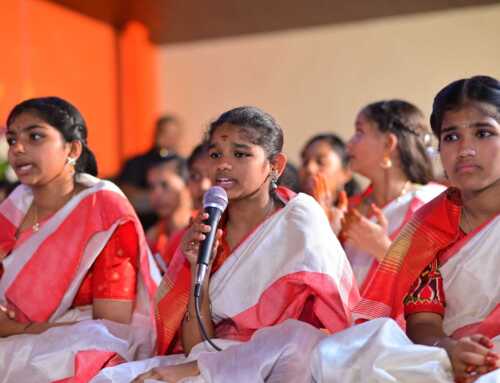
When girls engage in music singing, drumming, clapping, dancing they begin to discover their own voices. For girls who grew up feeling unheard, music gives the courage to speak. It builds leadership, teamwork, and self-worth.
Music Helps Underprivileged Girls Heal
Many orphan girls or those from difficult backgrounds may carry emotional scars. Music gives them a gentle way to release hurt and reconnect with joy.
Music Helps in Learning and Cognitive Development
Rhythm enhances memory. Melody sharpens listening skills. Repetition improves focus.
Music Strengthens Cultural Roots
Through songs, dance, and traditions, girls learn to appreciate their identity and heritage.
Music Encourages Community Bonding
In orphanages and residential schools, group music sessions create harmony literally and emotionally.
This is why many children’s education NGOs, including Sai Seva Sangh, use music as part of their holistic programs.
Breaking the Cycle of Poverty Through Education and Music
For children from low-income or vulnerable backgrounds, education becomes the escape route from generational poverty. When combined with music, values, and skills, education becomes far more powerful.
Music cultivates life skills such as:
- Confidence
- Communication
- Emotional intelligence
- Patience
- Creativity
- Leadership
These skills help children secure better opportunities in life.
NGOs providing education and life skills training such as Sai Seva Sangh, which offers free education for orphan girls, free extracurricular activities, coding classes, and even AI and programming awareness are playing a crucial role in shaping India’s future.
A Day at a Residential School for Girls in Hyderabad
Imagine a young girl waking up in a safe, loving girls’ hostel with education, surrounded by friends who feel like sisters. She starts her day with a morning prayer, some stretching, and a devotional song. Music sets a peaceful tone. She then proceeds to classrooms where teachers help her learn subjects that once felt impossible.
After school, she attends:
- A music class
- A dance practice
- A computer session
- A life skills training workshop
She receives nutritious meals, emotional support, academic guidance, and character-building activities. At night, she sings with her friends songs of hope, dreams, and joy.
This is the daily life in many Hyderabad girls orphanages and NGOs that offer free boarding school for girls.
The Magic of Music in Education – A Universal Bridge
Music helps children learn concepts faster. Rhythm improves concentration. Songs help in learning languages and pronunciation. Group singing builds unity. Dance increases confidence.
Through music, children build skills that last a lifetime.
When this magic blends with:
- Free education for girls
- Free residential facilities
- Skill development for children
- Value-based education
- Holistic learning
a powerful transformation takes place.
Why Supporting Girls’ Education Matters
Empowering girls changes entire communities. When a girl receives education, shelter, and skill development, she:
- Avoids early marriage
- Gains financial independence
- Improves family health
- Breaks generational poverty
- Becomes a role model
NGOs like Sai Seva Sangh create strong, confident young women who contribute to society.
Supporting such non-profit organizations for children’s welfare is one of the most impactful ways to create long-term change.
Conclusion: Music as the Heartbeat of Empowerment
The magic of music is timeless. It brings healing, harmony, and hope. For children especially underprivileged and orphan girls music becomes the bridge between sorrow and joy, silence and expression, limitation and possibility.
When combined with free residential education, holistic development, skill training, and value-based learning, music becomes a powerful tool of empowerment.
Organizations like Sai Seva Sangh, a trusted charitable organization in Hyderabad, are proving that when you educate a girl, you are not just teaching one child you are shaping a future.
And when you give her music…
You give her wings.



Leave A Comment